Anaerobic Digestion & Biogas Infrastructure
Organic waste streams. Long-life energy infrastructure.
Transforming organic waste streams into long-term on-site energy infrastructure and circular energy ecosystems — engineered, orchestrated and monetised as part of an integrated behind-the-meter platform.
What it is
Engineered as infrastructure — not as a standalone digester.
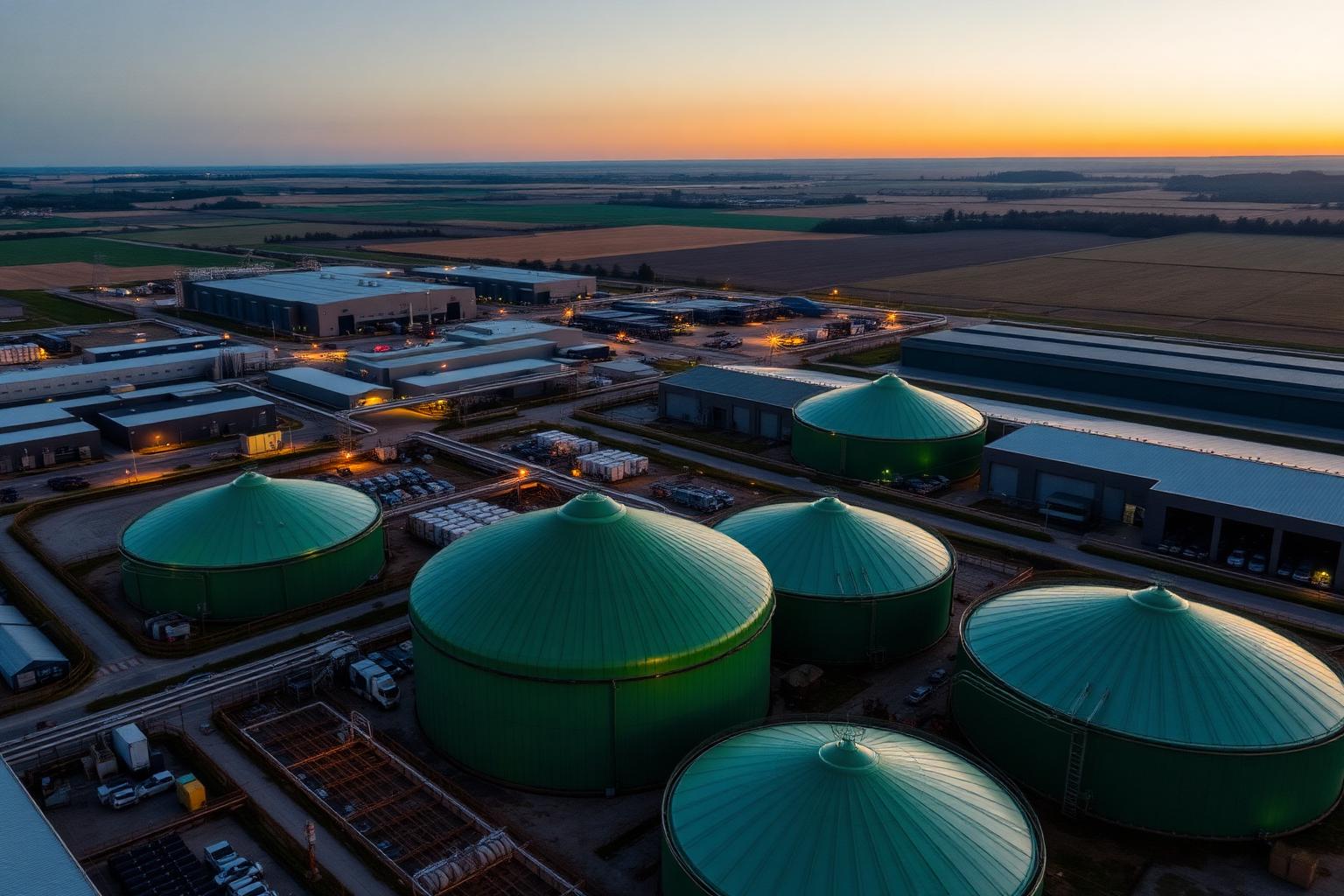
Anaerobic Digestion (AD) enables organisations to convert organic waste streams into usable biogas and renewable energy — reducing disposal cost and creating resilient on-site generation capacity.
Sostratus integrates AD into wider behind-the-meter ecosystems alongside CHP, BESS, heat recovery and intelligent optimisation. Outputs are routed dynamically — power, heat, gas — against the live operational and market position of the estate.
The asset is engineered for decades of operation: long-life infrastructure, performance-managed and continuously re-optimised.
System envelope
- Feedstock
- Food waste, agri residues, process streams
- Output paths
- Power · Heat · Biomethane injection
- Integration
- CHP · BESS · Heat network · Private wire
- Design life
- 20+ years, performance-managed
- Orchestration
- Sostratus optimisation layer
- Compliance
- Permitting, gas quality, MCERTS
Why it matters
Eight infrastructure-grade outcomes from a single integrated asset.
Renewable on-site gas
Continuous biogas generation, decoupled from volatile fuel markets.
Circular infrastructure
Waste streams converted into operational energy on the same estate.
Waste-to-energy monetisation
Avoided gate fees, energy revenue and ESG value combined in one stack.
Reduced grid & fuel dependency
Lower exposure to grid constraint, gas markets and DUoS volatility.
Renewable baseload
24/7 dispatchable generation — complementary to intermittent renewables.
Heat recovery integration
Engine and digester heat returned into process and space heating loops.
ESG & carbon reduction
Scope 1, 2 and 3 reduction backed by measurable, audited performance.
Long-life infrastructure asset
Revenue-generating capital asset — engineered for 20+ year value.
How it works
From waste stream to orchestrated energy output.
Organic waste materials are processed through anaerobic digestion to generate biogas — converted to electricity, used in CHP, upgraded for grid injection or routed into the wider behind-the-meter system.
Step 01
Organic Waste
Food, agri & process streams
Step 02
Anaerobic Digestion
Controlled biological conversion
Step 03
Biogas
Methane-rich fuel output
Step 04
CHP / Injection / Heat
Power · gas · thermal use
Step 05
Intelligent Optimisation
Sostratus orchestration layer
Continuous flow · Live orchestration · 24 / 7 / 365
The Sostratus difference
Integrated infrastructure — not standalone digesters.
Most providers deploy a digester. Sostratus engineers a coordinated infrastructure asset — assessed against the full estate, neighbouring offtakers and lifecycle market opportunity.
Local waste streams & feedstock viability
Heat demand profiling & recovery routes
Neighbouring offtakers & private wire opportunities
CHP integration & engine sizing
BESS coordination & dispatch optimisation
Long-term monetisation & flexibility revenue
Permitting, planning & gas quality compliance
Lifecycle operations & continuous re-optimisation
Best-fit applications
Where AD becomes strategic infrastructure.
Food manufacturing
Agriculture
Logistics & distribution
Industrial estates
Campuses
Waste operators
Processing facilities
Mixed-use infrastructure
Commercial models
Long-life revenue-generating infrastructure assets.
AD systems are framed and structured as long-life infrastructure — capital, ownership and reporting aligned to the operational outcome.
Client-owned
Full ownership with Sostratus as long-term operator and optimiser.
Shared equity / JV
Co-invested infrastructure with shared governance and returns.
Energy-as-a-Service
Zero-capex deployment. Pay for outcomes — kWh, kW or savings.
SPV ownership
Ring-fenced infrastructure vehicle with independent capital structure.
Begin with discovery
Explore how organic waste streams can become strategic energy infrastructure.
Share your feedstock, heat demand and site profile — we'll model the integrated AD opportunity and structure the commercial position.